


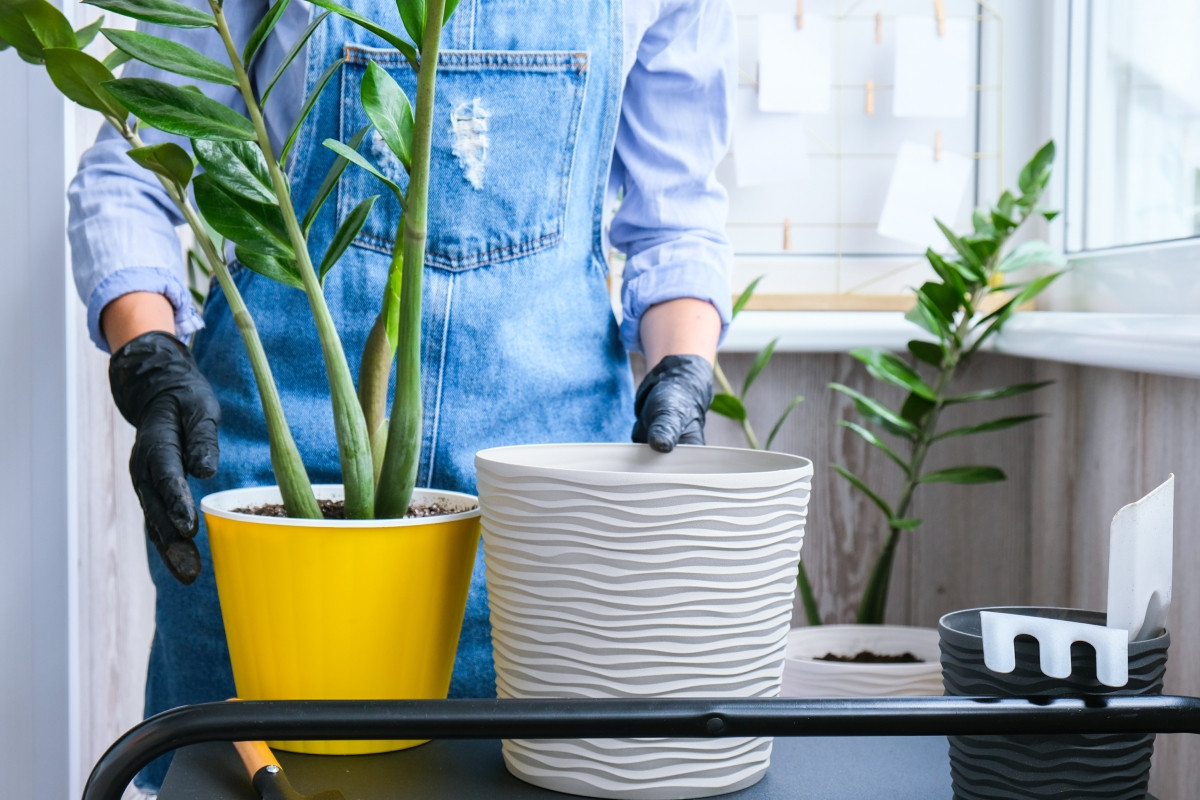
With proper care, indoor plants grow intensively, and there comes a moment when the root system does not fit in the pot. As a result, not only does the growth of the plant slow down, but it can also show signs of exhaustion and disease.
The best time to transplant indoor flowers
To avoid unpleasant consequences, it is necessary to regularly monitor the development of flowers and carry out transplanting, replacing the pot with a larger one and renewing the soil. It is also important to choose a good time for transplanting.
There are cases when transplanting is contraindicated:
- the plant has discarded flower stalks or inflorescences;
- active root growth;
- stressful situations, for example, moving to a new place;
- plant diseases.
If you bought a new flower in a shop, also do not rush to transplant it into a new pot, give it time to adapt to the new conditions and renewal after transport. For some plants, this may take a few days to a month.
What you need for transplanting flowers
In a new environment, indoor plants adapt to parameters such as:
- the temperature in the room;
- light level;
- the degree of humidity in the surrounding air;
- the quality of water used for irrigation.
An important aspect and guarantee of a healthy and beautiful plant is the soil for transplanting. Today florists offer a wide range of different mixtures for different types of plants, so you can buy a soil with all the components that a particular plant needs.
Rules for transplanting indoor plants
It is important to transplant without rushing and adhering to some rules so that the transplant will not harm the plant and it will quickly and well take root.
- Carefully remove the flower from the pot together with the potting soil.
- Carefully inspect the roots. Cut off the damaged and dry ones and treat them with antiseptic or growth stimulant.
- In the prepared vase of a larger size by 2-4 cm from the previous one, pour a layer of drainage for 2.5 cm - expanded clay or other natural material.
- Then pour a small layer of soil and place the plant.
- Top up the soil mixture, covering the roots completely. There should be 2-3 cm from the soil to the top of the pot.
Make sure that the root neck of the plant is not covered to prevent it from rotting and making the whole plant sick.
After transplanting, your plant needs some time to adapt. During this period, pay more attention to its care.
