


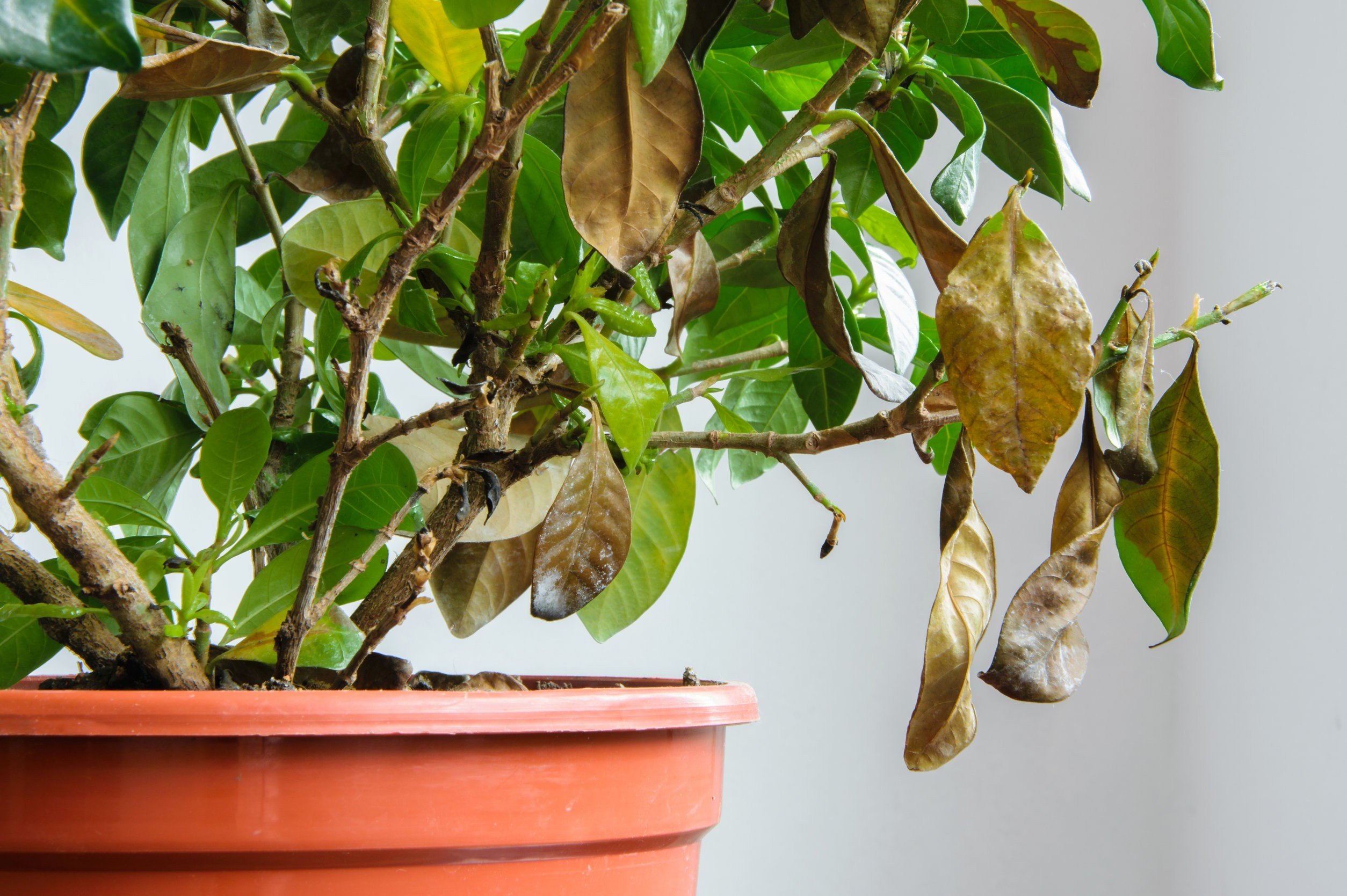
In order for indoor plants to please you with their appearance and flowering, it is necessary to create them the right care and optimal conditions. If various diseases appear, the condition of the flowers deteriorates and the disease quickly spreads to other plants.
Proper care guarantees the aesthetic appearance of your plants
With careful care, even when diseases occur, the plant can retain its normal appearance, and the disease is easy and fast.
The main factors that can contribute to the emergence and development of diseases in indoor flowers:
- violation of the watering regime;
- lack of feeding or untimely introduction of fertilisers;
- deterioration of conditions: humidity, temperature, lighting.
In some cases, diseases appear suddenly, and sometimes the owners of flowers are to blame for their occurrence. To avoid this, it is necessary to properly organise the care of plants in the appropriate periods of their life and closely monitor their condition.
What diseases are most common
Infected plants often have yellowing leaves, spots may appear on them or they begin to shed leaves. At this time, the flower slows down and may die. In this case, it is recommended to quarantine the sick plant so that it does not infect the others, including the flowers in the bouquet.
The most common diseases of indoor plants:
- Root rot. Frequent watering or poor drainage leads to stagnant water, which causes the appearance of fungus, which affects the roots. They turn dark and become soft. The plant can be saved by cutting the affected roots, treating the cuts with antiseptic and replacing the soil.
- Powdery mildew. This fungus affects the leaves. They become as if sprinkled with flour. As a treatment, fungicides are used. For prevention, it is necessary to ensure good air circulation and sufficient light.
- Rust. Orange spots appear on the leaves and they begin to dry. This disease is characteristic in case of poor drainage, overwatering of the soil and lack of air circulation.
- Grey rot. In this case, in addition to the leaves, the stem can be affected, they dry out and can die. This disease appears in the case of poor drainage and lack of nutrients in the plant. The fungus can penetrate through damaged areas of the plant, so if they occur, it is necessary to treat them with fungicide or antiseptic.
In addition to violations in care, domestic flowers can become infected with viral diseases that are carried by pests: mites, whiteflies, thrips, other insects and their larvae.
