


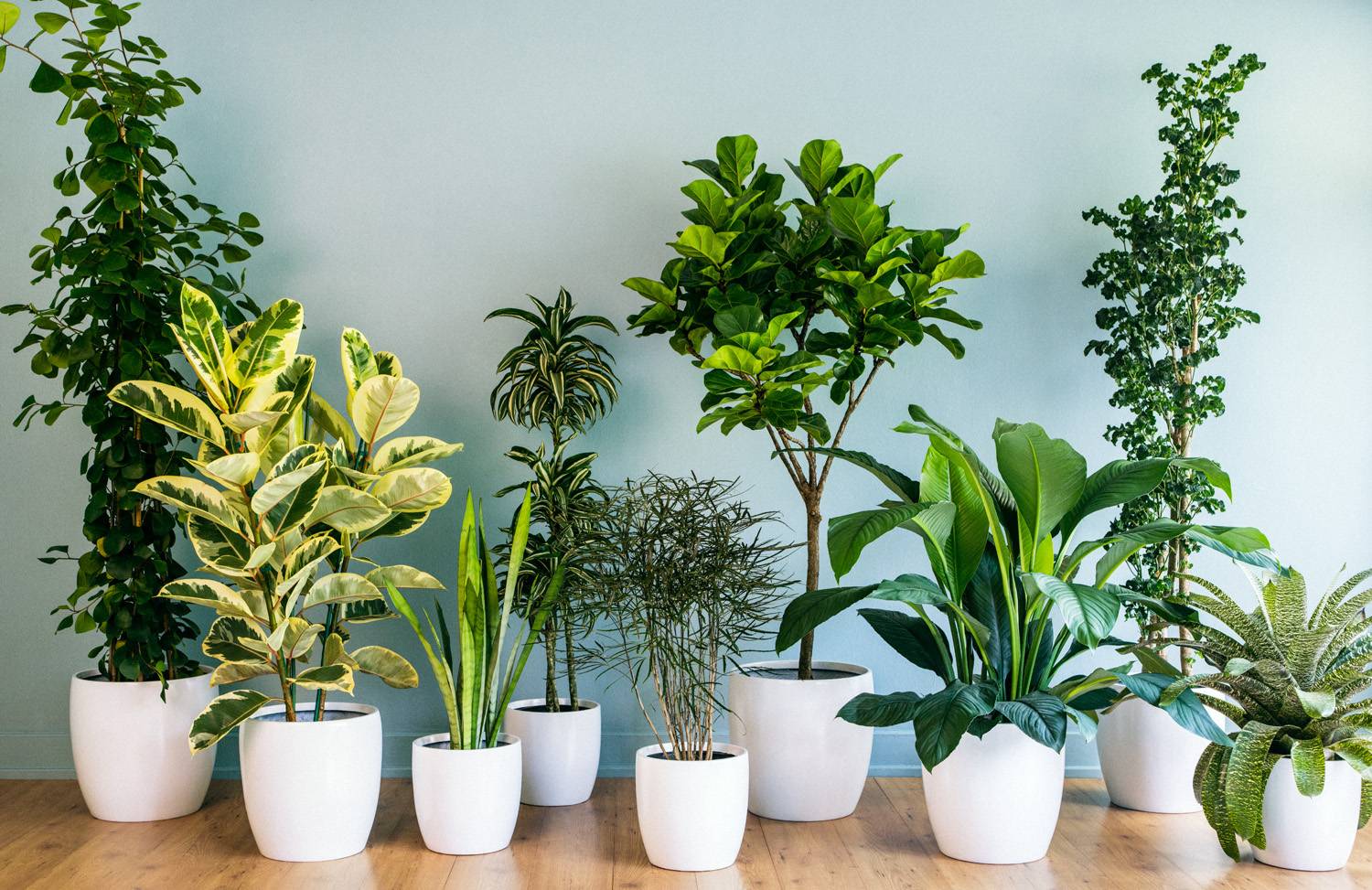
In order for indoor plants to delight others with their beauty and lush flowering, they need to be provided with appropriate conditions and proper regular care. Each type of plant has its own characteristics and depends not only on its needs, but also on the season.
General care rules
Regardless of the type of plant, they all need the following care:
- Watering. Ornamental plants need water at room temperature. Boiled and tap water are not suitable. It should be left to stand for at least 3 hours.
- Pruning and cleaning leaves. Regularly cut off dried leaves and non-viable stems. Cleaning leaves from dust improves photosynthesis. Succulents and other plants with a protective coating on their leaves should not be cleaned.
- Spraying. Some types of plants receive moisture not only from the roots, but also through the above-ground parts. But this procedure should not be carried out in the sun, so that the leaves do not get burned.
- Feeding. It is better to choose liquid ones, which are absorbed better and faster.
- Transplantation. Over time, the grown roots do not fit in the pot, which slows down the growth of the plant. It is better to transplant in the spring, before the budding process begins. Otherwise, it is better to postpone the transplant.
Each type of plant requires its own care. Therefore, before buying, it is better to learn how to care for a particular variety.
Summer care of plants
For most ornamental plants, May-August is the growing season, requiring frequent watering and spraying. Flowers also need feeding, if you have not transplanted them into a new pot before. During flowering, plants require more frequent feeding.
To prevent the bright sun from burning your flowers, it is better to shade the window with a screen or foil. It is better to completely remove shade-loving plants deep into the room, and put succulents and violets in the sun.
In the summer, various midges and other pests appear on indoor plants. At the first signs, be sure to treat the plants with insecticides.
Organizing care for indoor plants in winter
In winter, most flowers go into "hibernation" and watering should be reduced by 2-3 times, but sprayed more often, especially if they are located near heat sources. They also need oxygen, so the soil should be regularly loosened.
If the room is cool, it is better to insulate the flowerpots by placing them in a tray with sawdust or pebbles, which need to be periodically moistened.
Plants feel love and care and will definitely thank you with their beautiful appearance and long, abundant flowering.
